
The best wireless trailer brake controllers make trailer braking easier to add, adjust, and monitor without committing to a complicated permanent installation. They are especially useful for tow vehicles that lack a factory brake controller or for drivers who switch between vehicles.
This roundup compares 10 options across portable 7-way designs, Bluetooth-connected controllers, proportional braking systems, and traditional dash-mounted alternatives. Use the guide below to narrow your choice by trailer size, axle count, compatibility, and installation preference.
Best 10 Wireless Trailer Brake Controllers Picks for 2026
Proportional Pick

- Proportional braking for 1–3 axles
- LED diagnostics and three boost levels
- Removable, Plug & Play design
Best For: Frequent towing with an in-cab controller
Portable Bluetooth Pick

- Plugs into a 7-way connector
- Phone-based Bluetooth control
- Supports 1–2 axle trailers
Best For: Shared vehicles and quick installations
Wide-Range Value Pick

- Supports 1–4 axles and 8 brakes
- Zero-tool 7-way installation
- Stores multiple towing profiles
Best For: Multiple vehicle-trailer combinations
Under-Dash Bluetooth Pick

- Supports 1–4 axles and 2–8 brakes
- Smartphone settings and activity updates
- Stores multiple trailer profiles
Best For: Larger setups needing discreet Bluetooth control
Best Portable Pick
51180 Wireless Trailer Brake Controller

- Tool-free plug-in installation
- 3-axis proportional braking
- App control with saved settings
Best For: Portable towing across compatible one- or two-axle trailer setups
Best In-Line Option
CURT Echo 51200 Bluetooth Brake Controller

- Installs behind the 7-way socket
- Bluetooth app controls settings
- Waterproof, motion-sensing design
Best For: App-controlled towing systems using USCAR-compatible connections
Best Displayed Setup
Kohree Split-Design Brake Controller

- LCD display with separate controller
- Automatic leveling and proportional braking
- Nine adjustable boost levels
Best For: Drivers wanting visible controls for one- to four-axle trailer setups
Best App-Controlled Pick
Diyeeni 51180 Wireless Trailer Brake Controller
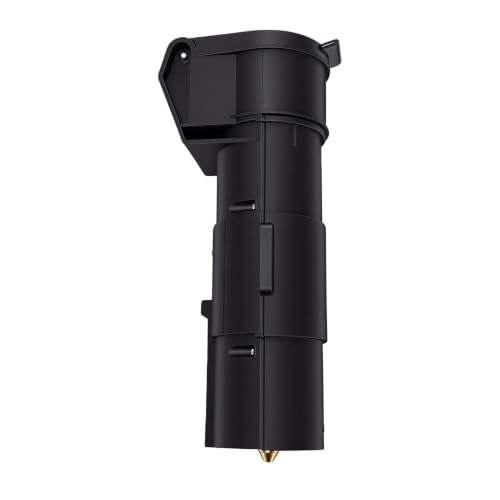
- Bluetooth app adjusts gain, output, and live status
- Proportional braking supports 1-2 axle trailers
- Memory and sealed protection help maintain operation
Best For: Portable smartphone-controlled towing setups
Best for Multi-Vehicle Use
Degowget 51180 Bluetooth Trailer Brake Controller

- Portable, tool-free connection with retention strap
- App stores gain, sensitivity, and towing profiles
- Waterproof potted housing with circuit protection
Best For: Shared travel, camper, or cargo trailer towing
Best Simple Proportional Option
51180 Wireless Bluetooth Brake Controller
- Plug-and-play design supports standard 7-pin wiring
- Three-axis sensing delivers proportional braking
- Bluetooth app and memory simplify portable operation
Best For: 1-2 axle trailers needing a portable controller
Proportional Pick – Tekonsha Primus IQ
The Tekonsha Primus IQ is a practical choice among wireless trailer brake controllers for drivers who want proportional braking with an in-cab control. Its internal inertia sensor matches trailer braking to the tow vehicle’s braking intensity and rate, while the LED display provides settings, diagnostics, and alerts.
Best For: Towing setups with 1 to 3 axles that need adjustable braking and a more permanent in-cab controller.
Pros:
- Proportional braking supports smooth stops.
- Boost offers three levels of additional braking power.
- Snap-in mounting clip, removable connector, and Plug & Play adapter port simplify installation and storage.
- Works with many Ford, GM, Chevy, Dodge, RAM, Toyota, and Jeep vehicles.
Cons:
- Wiring harness is sold separately.
- Requires mounting in the tow vehicle rather than a fully wireless plug-in setup.
The Primus IQ is well suited to frequent towing where predictable proportional control and a readable display matter more than a phone-based interface.
Portable Bluetooth Pick – CURT Echo Kit
CURT 51181 Echo Kit - Echo Mobile Trailer Brake Controller with Bluetooth® & Manual Override Button
Check Price On AmazonThe CURT Echo Kit is one of the most portable wireless trailer brake controllers, plugging into a 7-way connector and linking to an Apple or Android phone through Bluetooth. Its triple-axis accelerometer provides responsive proportional braking without tools, extra wiring, or permanent dashboard installation.
Best For: Drivers who share a controller between vehicles or want a quick, non-invasive setup for trailers with 1 or 2 axles.
Pros:
- Zero-tool installation through the tow vehicle and trailer 7-way connection.
- Transfers easily between compatible vehicles and trailers.
- Continues braking operation if the phone is locked, receives a call, or loses Bluetooth connection.
- Includes a manual override button and locking strap.
Cons:
- App adjustments should only be made while the vehicle is stationary.
- Designed for 1–2 axle trailers, limiting its range compared with 1–4 axle controllers.
The Echo Kit is a strong fit for occasional or multi-vehicle towing, especially when avoiding hardwiring is a priority.
Wide-Range Value Pick – Synhalt Bluetooth Controller
The Synhalt Bluetooth controller brings wireless trailer brake controllers convenience to trailers with 1 to 4 axles. It connects between 7-way RV blade connectors, uses a triple-axis sensor for proportional braking, and lets drivers adjust output, sensitivity, profiles, and manual braking through a compatible iOS or Android app.
Best For: Towing households that use multiple vehicle-trailer combinations and need support for up to 8 electric brakes.
Pros:
- Supports 1–4 axles and up to 8 electric brakes.
- Portable, zero-tool installation requires no drilling or dashboard modification.
- App stores multiple vehicle-trailer profiles and shows braking status.
- Retains proportional braking if the phone locks or Bluetooth connection is interrupted.
Cons:
- Requires an active 7-way socket with working power, ground, and turn-signal circuits.
- App control requires a compatible smartphone.
With its broad axle range and profile storage, the Synhalt is particularly flexible for owners who change towing configurations regularly.
Under-Dash Bluetooth Pick – CURT Echo 51190
The CURT Echo 51190 is an under-dash option among wireless trailer brake controllers, using Bluetooth and a smartphone app to manage brake settings and monitor activity. Its triple-axis accelerometer provides proportional braking for setups with 1 to 4 axles and 2 to 8 trailer brakes.
Best For: Drivers who want a compact under-dash controller with smartphone-based adjustment and support for larger trailer braking setups.
Pros:
- Controls 2–8 trailer brakes across 1–4 axles.
- Smartphone app provides brake-setting control and activity updates.
- Triple-axis sensing supports responsive, smooth stops.
- Stores multiple trailer profiles.
Cons:
- Quick-plug harness is sold separately.
- Requires a smartphone for Bluetooth-based settings control.
The Echo 51190 balances a discreet under-dash installation with flexible app control, making it a useful choice for varied towing needs when the separate harness is accounted for.
Best Portable Pick – 51180 Wireless Trailer Brake Controller
The 51180 is a practical choice among wireless trailer brake controllers for drivers who want a portable, tool-free setup. It plugs into an active 7-way RV blade connection and uses a smartphone app for initial configuration, braking-force adjustments, and trailer profiles.
Best For: Towing compatible one- or two-axle trailers with two to four brakes across multiple properly equipped vehicles.
Pros:
- Proportional braking uses a built-in 3-axis motion sensor to match trailer braking to vehicle deceleration.
- Tool-free plug-in design requires no permanent wiring and can move between compatible vehicles and trailers.
- App settings are saved and remain available if the phone is locked, receives a call, or temporarily disconnects.
- Works with common vehicle systems such as cruise control, anti-lock braking, and low-voltage electrical systems when properly connected.
Cons:
- Compatibility is centered on trailers with one to two axles and two to four brakes.
- Some vehicles may require tow/haul activation or trailer detection before the 7-way connector powers the unit.
- Adjustments can only be made while the vehicle is parked.
Choose this model when portability and a straightforward app-based setup matter most. Confirm that your vehicle’s 7-way socket provides the required power, ground, and turn-signal circuits before buying.
Best In-Line Option – CURT Echo 51200 Bluetooth Brake Controller
The CURT Echo 51200 is an in-line option among wireless trailer brake controllers, placing Bluetooth-based brake control behind the existing 7-way socket. Its custom app provides brake-setting control and status updates while a triple-axis accelerometer supports responsive proportional braking.
Best For: Towing setups that can use a behind-the-socket installation with USCAR connectors and smartphone-based monitoring.
Pros:
- Bluetooth connection lets you control brake settings from a smartphone.
- Custom-designed app monitors brake activity and sends status updates.
- Triple-axis motion-sensing accelerometer supports smooth, responsive proportional stops.
- Waterproof enclosure helps seal and protect the circuits from the elements.
Cons:
- Installation is specifically positioned behind the existing 7-way socket.
- Smartphone control depends on the Bluetooth connection and compatible app.
- USCAR connectors are part of the specified installation design, so connector compatibility should be checked.
The Echo 51200 is a focused choice for buyers who prefer an integrated in-line installation and app-based adjustment. Its waterproof enclosure and motion-sensing design add useful practical features for compatible towing systems.
Best Displayed Setup – Kohree Split-Design Brake Controller
The Kohree KR3588 offers a split-design alternative to wireless trailer brake controllers, pairing a visible LCD display with a separately installed brake controller. Proportional braking, automatic leveling, and nine boost levels give drivers multiple ways to tailor braking for compatible trailer combinations.
Best For: Towing one- to four-axle trailers when an in-vehicle LCD display and adjustable boost control are preferred.
Pros:
- Proportional braking applies trailer braking in relation to the tow vehicle’s braking.
- Automatic leveling reduces the need for time-consuming setup procedures.
- Split design allows the display to sit on the windshield while the controller mounts in the rear interior panel at any angle.
- Nine boost levels and dual 32-bit processor chips in both components support adjustable, validated braking control.
Cons:
- This is a split display-and-controller kit rather than a compact plug-in wireless unit.
- Installation includes wiring connections and positioning separate components.
- The supplied notes identify broad one- to four-axle use but do not specify particular vehicle connector compatibility.
Consider the Kohree when a dedicated LCD readout and broad axle-range support are more important than the simplest plug-in design. Its automatic leveling and nine boost settings make it appealing for drivers who want hands-on braking adjustment.
Best App-Controlled Pick – Diyeeni 51180 Wireless Trailer Brake Controller
For drivers comparing wireless trailer brake controllers, the Diyeeni 51180 combines app-based adjustments with proportional braking. It plugs into a standard 7-pin RV blade socket, supports 1-2 axle trailers, and can control up to four brakes without permanent in-cab wiring.
Best For: Towing utility, boat, or similar trailers when you want portable Bluetooth control and automatic braking response.
Pros:
- Bluetooth app supports gain and output adjustments plus live status monitoring.
- Three-axis motion sensing provides proportional braking and automatic calibration.
- Internal memory maintains settings during a dark phone screen, incoming call, or brief Bluetooth interruption.
- Sealed housing and reverse-polarity and short-circuit protection support use in difficult conditions.
Cons:
- Requires a standard 7-pin socket with a functional +12V power connection.
- Older or aftermarket sockets may require connecting the battery power wire to the specified pin.
- Brake adjustments depend on a compatible smartphone app.
The Diyeeni is a practical choice if portability and smartphone control matter most. Its proportional sensor and retained settings add convenience, but buyers should verify the vehicle connector and power wiring before purchase.
Best for Multi-Vehicle Use – Degowget 51180 Bluetooth Trailer Brake Controller
The Degowget 51180 is one of the more transfer-friendly wireless trailer brake controllers for families or fleets. It connects directly to an active 7-way RV blade plug, pairs with iOS or Android, and stores customized brake profiles for different towing setups.
Best For: Travel trailers, campers, and cargo trailers shared among multiple tow vehicles with compatible 7-way connectors.
Pros:
- Tool-free plug-in installation with a locking tab and retention strap.
- Dedicated app allows brake gain, sensitivity, and profile adjustments.
- Internal memory preserves preset settings if the phone locks or Bluetooth disconnects.
- Potted waterproof resin enclosure includes short-circuit and reverse-polarity protection.
Cons:
- Only fits a standard 7-way RV blade plug with active +12V power.
- Not compatible with 4-way, 5-way, or European round plugs.
- Settings should be changed only while parked to avoid distracted driving.
Choose the Degowget when quick transfer between compatible vehicles is a priority. Its retention hardware and saved profiles are useful for shared towing equipment, while the connector limitations make compatibility checks essential.
Best Simple Proportional Option – 51180 Wireless Bluetooth Brake Controller
This 51180 wireless trailer brake controller offers a straightforward plug-and-play setup for vehicles with standard 7-pin wiring. Bluetooth smartphone control, three-axis inertial sensing, and support for 1-2 axle trailers make it suited to drivers who want portable brake management without installing a traditional in-cab unit.
Best For: Owners of compatible 1- or 2-axle trailers who want portable app control and proportional braking.
Pros:
- Supports up to four brakes on 1-2 axle trailers.
- Dedicated app provides real-time adjustments and monitoring through Bluetooth.
- Three-axis sensors automatically respond to vehicle deceleration.
- Fault-tolerant memory keeps the last settings during phone or connection interruptions.
Cons:
- Needs a working 7-pin socket and +12V power connection.
- The supplied information does not specify an included warranty.
- App-based control requires a compatible smartphone.
This generic 51180 model is worth considering when you want the core benefits of a portable proportional controller: simple connection, Bluetooth adjustment, and retained settings. Confirm the vehicle socket and trailer brake configuration before ordering.
How We Picked These Wireless Trailer Brake Controllers
We focused on the features that affect real-world towing safety and convenience: proportional braking, trailer and vehicle compatibility, axle and brake capacity, installation method, adjustment controls, wireless connectivity, and the clarity of setup feedback. We also considered whether each design suits occasional towing, frequent road use, or drivers who need to move one controller between multiple tow vehicles.
Compatibility should be confirmed before purchase. A 7-way connector, supported trailer brake configuration, smartphone requirements, and any required vehicle wiring or adapter can determine whether a controller works with your setup.
Quick Comparison
| Controller type | Best for | What to check |
|---|---|---|
| Portable 7-way wireless | Simple installation and vehicle switching | Connector fit, app support, weather exposure |
| In-line Bluetooth | A cleaner semi-permanent installation | Available space and wiring access |
| Under-dash proportional | Frequent towing and integrated controls | Mounting location and vehicle compatibility |
| Traditional dash controller | Dependable manual adjustment | Required harness and installation time |
Key Buying Factors for Wireless Trailer Brake Controllers
Braking Behavior
Proportional controllers apply trailer braking in relation to the tow vehicle’s deceleration, generally producing smoother stops and less trailer push than basic time-delayed systems. Look for adjustable gain and an accessible manual override for sway, steep descents, or emergency correction.
Trailer Capacity and Compatibility
Check the stated axle and brake limits, especially if your trailer has four or more electric brakes. Verify that the controller supports your vehicle’s 7-way socket, trailer wiring, brake type, and any required Bluetooth operating system. A controller marketed as compatible with a similar model is not automatically interchangeable.
Installation and Control
Portable units are convenient but may remain exposed at the socket and require a secure phone mount or app connection. In-line and under-dash models take more installation effort but can provide a tidier, more permanent setup. Consider whether you want physical controls, app-based adjustment, or both.
Feedback and Reliability
Displays, status lights, connection alerts, and diagnostic information make setup easier and can help identify wiring or brake faults. For long trips, favor a design with dependable manual control and a straightforward fallback if the phone or wireless connection is unavailable.
Who Should Buy Which Wireless Trailer Brake Controllers?
Choose a portable wireless controller if you tow occasionally, share a trailer, or use more than one compatible vehicle. It is usually the fastest route to adding trailer braking without mounting a control unit inside the cabin.
Choose an in-line Bluetooth model if you want a less visible installation while retaining phone-based adjustment. An under-dash proportional controller is the better fit for frequent towing, dedicated tow vehicles, and drivers who prefer a permanently accessible control.
For heavier trailers or multi-axle applications, prioritize verified capacity, proportional operation, stable wiring, and a clearly rated manual override over app convenience alone. Whatever style you choose, test the brakes at low speed after installation and adjust gain gradually until the trailer slows smoothly without locking its wheels.