
If you’re shopping for an ev charger with load balancing, the goal is simple: charge fast without overloading your home’s electrical system.
The best options combine smart power management, reliable hardwired or plug-in installation, and the charging speed your vehicle can actually use.
Best 10 Ev Charger with Load Balancing Picks for 2026
Smart Metered Charger
IYILO 48A Smart Load-Balancing EV Charger

- Energy meter and CT clamps included
- Real-time dynamic load balancing
- 6A-48A adjustable, Wi-Fi app control
Best For: Homeowners wanting built-in load management and energy tracking
Panel-Saver Controller
BLACKBOX EV Load Management System
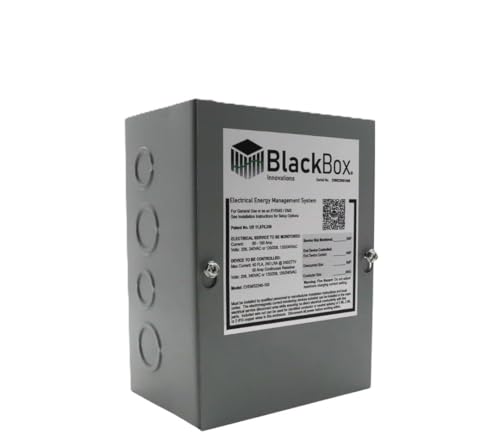
- Adds load management to any charger
- Helps avoid service or panel upgrades
- Designed for 60A-100A service sizes
Best For: Owners who want load balancing without buying a new charger
Hardwired Smart Charger

- 6A-48A adjustable charging
- UL, ETL, FCC, and Energy Star certified
- 25-foot cable with app controls
Best For: Drivers wanting a durable smart hardwired charger
Networked Home Charger
ChargePoint HomeFlex 50A Smart Charger

- Up to 50A hardwired Level 2 charging
- ChargePoint app and 24/7 support
- UL-certified indoor/outdoor design
Best For: Buyers who want a trusted smart home charger
Phone-Controlled 40A Home Charger

- Plug-in Level 2 charging up to 40A
- App control with off-peak scheduling
- 25 ft cable and weatherproof housing
Best For: Homeowners who want a plug-in J1772 charger with simple smart scheduling
Hardwired 48A Smart Charger
48A J1772 Home Charging Station

- Hardwired 48A charging on a 240V / 60A circuit
- App control with scheduling and usage tracking
- UL, CSA, ETL, and FCC compliant
Best For: Fast home charging with a permanent hardwired setup
Power-Sharing 48A Smart Charger
IYILO 48A Load-Balancing Charger

- Power sharing for two chargers on one breaker
- Dynamic load balancing with Energy Meter bundle
- 6A to 48A smart charging with app controls
Best For: Homes that need load balancing and multi-charger power management
Ultra-Fast Smart Home Option
Autel MaxiCharger Level 2 80A Hardwired EV Charger

- 80A / 19.2 kW output for very fast home charging
- AI app control for scheduling, current changes, and energy data
- Hardwired build with 25 ft J1772 cable and CSA/UL certification
Best For: Fast-charging households or small sites that want premium smart controls
Panel-Friendly Smart Balancer
EMPORIA Pro Level 2 EV Charger with PowerSmart

- PowerSmart automatically balances load on an existing panel
- 48A Level 2 charging with hardwire or NEMA 14-50 installation
- Includes Vue monitor plus app-based scheduling and tracking
Best For: Homes that need smarter charging without a panel upgrade
Simple Wi-Fi Home Charger
EMPORIA Level 2 48A White Hardwired EV Charger

- 48A hardwired Level 2 charging up to 46 miles per hour
- Wi-Fi app control for energy data and charging schedules
- UL listed, ENERGY STAR certified, with 25 ft J1772 cable
Best For: Buyers who want a reliable smart home charger with simple installation
Smart Metered Charger – IYILO 48A Smart Load-Balancing EV Charger
If you want an EV charger with load balancing that can help avoid a panel upgrade, this IYILO unit is built for that job. It combines a 48A Level 2 charger with an included energy meter and CT clamps for real-time dynamic load balancing, so it can adjust charging speed based on your home’s available power.
Best For: Homeowners who want a hardwired, app-connected charger with built-in load management and energy tracking.
Pros:
- Includes an energy meter and CT clamps for dynamic load balancing right out of the box.
- Adjustable from 6A to 48A in 1A steps for flexible charging control.
- Supports Wi-Fi app controls, scheduling, RFID, and energy usage tracking.
- Has connector overheat protection with built-in temperature sensing.
Cons:
- Requires hardwired installation and a 60A breaker with a licensed electrician.
- Only supports 2.4GHz Wi-Fi, not 5GHz.
As a load-balancing option, this model stands out because the monitoring hardware is included rather than added later. The result is a more complete setup for managing charging alongside other home electrical loads, with the tradeoff of a more involved install.
Panel-Saver Controller – BLACKBOX EV Load Management System
This BLACKBOX unit is a different kind of EV charger with load balancing setup: it is an EV energy management device that works with your existing charger, rather than a charger itself. For homes trying to avoid an electrical service or panel upgrade, it monitors available capacity and automatically pauses charging when needed.
Best For: Budget-minded homeowners who already have an EV charger and want to add load management without replacing it.
Pros:
- Works with any brand of EV charger and any 240V plug setup.
- Designed for 60A to 100A service sizes and helps avoid costly upgrades.
- Automatically manages charging based on available electrical capacity.
- Fail-safe design is intended to avoid unsafe powered-on states.
Cons:
- EV charger is sold separately.
- Requires a qualified electrician for installation and code-compliant use.
If you already own a charger, this is the most flexible way to add load balancing without starting over. It is especially appealing when panel capacity is tight and the goal is to keep overnight charging reliable while staying within the limits of the existing electrical system.
Hardwired Smart Charger – EVIQO 48A Wi-Fi EV Charger
The EVIQO is a practical EV charger with load balancing if your priority is a clean hardwired install plus smart current control. While it does not include the external metering hardware of some competing models, its adjustable 6A-48A output and app-based controls make it easy to match charging speed to your schedule and electrical setup.
Best For: Drivers who want a reliable hardwired Level 2 charger with app controls and strong safety certification.
Pros:
- Delivers up to 48A on a dedicated 60A circuit, with a 50A option on a 70A circuit.
- App lets you start/stop charging, set speed, and track energy and cost.
- UL, ETL, FCC, Energy Star, IP66, and NEMA 4 rated for indoor or outdoor use.
- 25-foot cable and glow-in-the-dark holster add everyday convenience.
Cons:
- Hardwired installation requires a licensed electrician.
- Load balancing hardware is not described as included.
This is a strong fit if you want a straightforward smart charger with flexible current settings and weather-resistant construction. It is less specialized for panel management than a dedicated load-balancing system, but it covers the core charging needs very well.
Networked Home Charger – ChargePoint HomeFlex 50A Smart Charger
For shoppers comparing an EV charger with load balancing, the ChargePoint HomeFlex is best viewed as a smart, hardwired home charger with adjustable current rather than a load-management kit. It offers app control, a wide circuit range, and the backing of ChargePoint’s charging network and support ecosystem.
Best For: EV owners who want a trusted brand, app-based charging control, and a flexible hardwired home unit.
Pros:
- Hardwired Level 2 charger with up to 50A output and adjustable current support.
- ChargePoint app provides reminders, charging data, and smart controls.
- UL-certified and designed for indoor or outdoor installation.
- Includes access to ChargePoint’s large charging network and 24/7 support.
Cons:
- Wi-Fi is needed for some features and troubleshooting.
- No included load-balancing meter or CT clamp system is described.
The HomeFlex is a dependable choice if you value brand reputation and broad ecosystem support more than advanced load-management hardware. It delivers the familiar mix of smart app features and flexible charging, but it is not the most specialized option for managing a constrained electrical panel.
Phone-Controlled 40A Home Charger – EVIQO 40A J1772 Wall Charger
If you want an ev charger with load balancing features in a practical home setup, this EVIQO unit is built around smart app control, scheduling, and adjustable charging speed rather than raw maximum output. It delivers up to 40A on a 240V NEMA 14-50 outlet, making it a strong fit for overnight charging when you want to manage energy use and avoid peak-hour charging.
Best For: Drivers who want a plug-in Level 2 charger with app-based scheduling and broad J1772 compatibility.
Pros:
- Up to 40A Level 2 charging on a NEMA 14-50 outlet
- Free app lets you start/stop charging, set 6-40A speed, and schedule off-peak charging
- Works with every non-Tesla EV that uses J1772, plus Tesla with its adapter
- 25 ft cable and IP66 / NEMA 4 sealed housing for indoor or outdoor use
Cons:
- Not a hardwired charger
- Requires a dedicated 50A circuit and 2.4 GHz WiFi
- No dedicated load-sharing bundle or external energy meter mentioned in the notes
This is a good choice if you want straightforward, app-connected charging with the flexibility to manage sessions and timing from your phone. It is less about advanced power management hardware and more about convenient control, safety certifications, and reliable everyday home charging.
Hardwired 48A Smart Charger – 48A J1772 Home Charging Station
This ev charger with load balancing focus is best suited to a hardwired home installation where you want maximum charging speed plus smart controls. It delivers up to 48A on a 240V / 60A circuit, with adjustable current and app-based scheduling, making it a strong fit for drivers who want fast overnight charging and detailed charging data.
Best For: Drivers planning a hardwired installation who want high-output Level 2 charging and smart app control.
Pros:
- Up to 48A / 11.5kW charging with adjustable current from 10A to 48A
- Smart app supports scheduling, real-time monitoring, and charging history
- UL 2594, CSA, ETL, and FCC compliance with IP65 weatherproofing
- 25 ft cable and support for J1772 EVs and plug-in hybrids
Cons:
- Requires hardwiring and a dedicated 240V / 60A circuit
- Tesla support needs a J1772-to-NACS adapter, not included
- Installation by a licensed electrician is required
If you already know you want a permanent installation, this charger offers a lot of speed and control in one unit. It stands out for its high current ceiling and detailed app features, making it a solid option for households that charge frequently and want room to tune their setup.
Power-Sharing 48A Smart Charger – IYILO 48A Load-Balancing Charger
If you specifically want an ev charger with load balancing, this IYILO model is the most directly aligned with that need. The notes state that it supports power sharing between two chargers and dynamic load balancing when paired with the Energy Meter bundle, which can help optimize home energy use without upgrading your panel.
Best For: Households that want smart power management, including load sharing and dynamic load balancing.
Pros:
- Supports power sharing so two chargers can run on one circuit breaker
- Dynamic load balancing available with the Energy Meter bundle
- Adjustable 6A to 48A charging with scheduled charging and RFID support
- UL 2594 test report, ETL, Energy Star, and CSA references in the notes
Cons:
- Dynamic load balancing requires the charger + meter bundle
- Hardwired installation needs a 60A breaker and licensed electrician
- 5GHz WiFi is not supported
For shoppers prioritizing load management over basic plug-and-charge convenience, this is the clearest fit in the group. It combines high-output Level 2 charging with the kind of smart power control that can make a home charging setup more flexible.
Ultra-Fast Smart Home Option – Autel MaxiCharger Level 2 80A Hardwired EV Charger
If you want an ev charger with load balancing-style smart control for a high-power home setup, the Autel MaxiCharger is built around app-based current management, scheduling, and real-time energy monitoring. It delivers up to 80A / 19.2 kW on a hardwired connection, making it a strong pick for drivers who want very fast overnight charging and a future-ready installation.
Best For: Homeowners or small commercial users who want a high-output, app-managed Level 2 charger with long cable reach and robust reliability features.
Pros:
- Up to 80A / 19.2 kW charging for very fast replenishment
- AI-integrated smart app with scheduling, current adjustment, and energy data
- Dual-network Wi-Fi + Wi-SUN for high uptime and remote management
- Hardwired design, 25 ft J1772 cable, and CSA/UL certification
Cons:
- Requires hardwired installation and a 100A circuit for full output
- Higher-power setup may be more than many average households need
- Tesla drivers need a separate NACS adapter
The Autel stands out if you care most about speed, connectivity, and durability. It is less about compact simplicity and more about delivering a premium charging station that can be monitored and controlled from the app with confidence.
Panel-Friendly Smart Balancer – EMPORIA Pro Level 2 EV Charger with PowerSmart
The EMPORIA Pro is a practical choice if you want an ev charger with load balancing features without immediately upgrading your electrical panel. Its PowerSmart technology is designed to work with your existing panel and automatically balance load, while the app helps you schedule charging and track usage in real time.
Best For: Drivers with limited electrical service who want fast Level 2 charging and automatic load balancing through a home energy app.
Pros:
- PowerSmart technology automatically balances load with your existing panel
- Up to 48A charging with hardwire or NEMA 14-50 setup options
- Emporia app supports scheduling, peak-rate avoidance, and real-time tracking
- Includes the Vue energy monitor for broader home energy insight
Cons:
- Maximum output is 48A, so it is not as powerful as 80A units
- Hardwire or plug-in setup still requires proper installation planning
- Best results depend on using the app and monitoring features
This model is especially appealing if panel capacity is a concern. It combines load-aware charging with useful energy monitoring, making it a strong fit for homes that want to charge smarter rather than simply install the biggest charger possible.
Simple Wi-Fi Home Charger – EMPORIA Level 2 48A White Hardwired EV Charger
This EMPORIA Level 2 charger is a straightforward pick for buyers who want a dependable ev charger with load balancing-adjacent smart setup through Wi-Fi-based energy monitoring and scheduling. It delivers up to 48A through a hardwired installation with whip, and the app support makes it easy to follow charging sessions from your phone.
Best For: EV owners who want a clean, hardwired Level 2 charger with app control and broad J1772 compatibility.
Pros:
- Up to 48A charging and up to 46 miles of range per hour
- 2.4 GHz Wi-Fi app control for real-time energy data and scheduling
- UL listed and ENERGY STAR certified for added peace of mind
- 25 ft cable and J1772 compatibility with many North American EVs
Cons:
- No included power-balancing hardware like the Pro model’s Vue setup
- Hardwired install with whip is preconfigured, so it is less flexible than a plug-in option
- Tesla and NACS drivers need a different Emporia model or adapter approach
For shoppers who mainly want a reliable Wi-Fi charger with strong certification and easy app access, this model keeps things simple. It is a solid home charging station when you value proven basics over extra energy-management hardware.
How We Picked the Best Ev Charger with Load Balancing
We focused on home EV chargers that support high-amperage charging, app-based control, and features that help manage available electrical capacity. For an Ev Charger with Load Balancing, we also looked at whether the charger is designed for smart power allocation, energy monitoring, or integration with home load-management systems.
We prioritized practical ownership factors: installation flexibility, cable length, J1772 compatibility, safety certifications, and whether the charger suits everyday home charging rather than just headline maximum power.
Quick Comparison
In this lineup, the main differences come down to charging current, installation style, and smart features. Lower-amperage units are often easier to install and less demanding on older electrical panels, while 48A and higher-capacity models are better for drivers who want faster top-ups and have the electrical service to support them.
Hardwired models are usually the best fit for permanent installations and higher output. Plug-in versions can be more convenient if you want easier relocation or simpler setup, though they may offer slightly less flexibility at the top end of performance.
Key Buying Factors for an Ev Charger with Load Balancing
Electrical Capacity
Start with your panel and available circuit capacity. A charger may advertise high output, but your home’s service determines what you can safely use. Load balancing is most valuable when you want strong charging performance without requiring a costly panel upgrade.
Smart Load Management
Look for app controls, energy metering, and any mention of power management or load sharing. These features help the charger respond to household demand and make it easier to schedule charging during off-peak hours.
Amperage and Charging Speed
For most homes, 40A to 48A offers a strong balance of speed and practicality. Higher-amperage units can be appealing, but only if your wiring and service can support them. Match the charger to your vehicle’s onboard charging limits as well.
Installation Type
Hardwired chargers are generally preferred for higher output and cleaner long-term installation. NEMA 14-50 plug-in models can be easier to install, but they may not be the best choice for every load-balancing setup.
Who Should Buy Which Ev Charger with Load Balancing?
If you want the simplest route to reliable home charging, a 40A or 48A smart charger is usually the best fit. If your electrical service is constrained, choose a model with energy monitoring or explicit load-management support.
Drivers with multiple EVs, solar, or other large home loads should give extra weight to smart power control and installation guidance from a licensed electrician. If you need maximum flexibility, look for a charger that balances strong output with app-based scheduling and configurable current limits.
In short, the best Ev Charger with Load Balancing is the one that fits your panel, your daily driving needs, and your long-term home charging plan.