

Choosing the right battery for overland electronics can make the difference between a dependable expedition setup and constant power headaches. From fridges and lighting to radios and navigation gear, your system needs steady output and smart protection.
This roundup focuses on practical lithium options for real-world overlanding, with attention to capacity, low-temperature protection, and ease of integration in tight vehicle builds.
Best 10 Battery for Overland Electronics Picks for 2026
Ultra-High Capacity Pick
12V 314Ah LiFePO4 Battery for RV and Solar
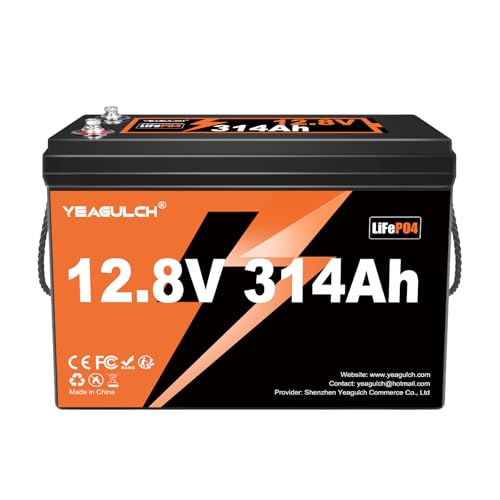
- 314Ah capacity for long runtime
- 200A BMS with multiple protections
- IP65-rated for outdoor durability
Best For: Large RV, marine, and off-grid power banks
Fast-Charge Bundle
12V 100Ah LiFePO4 with Charger
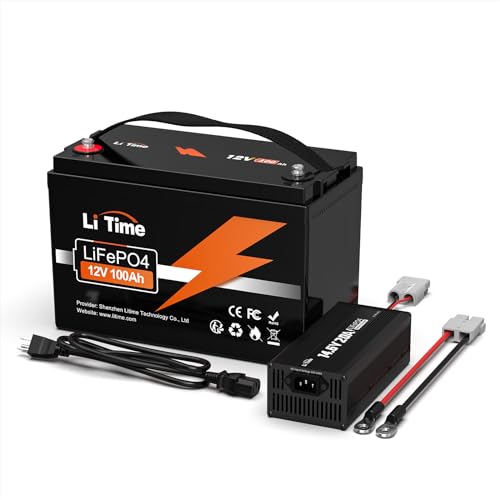
- Includes 14.6V 20A charger
- 100A BMS with built-in protection
- Lightweight 25.35 lb design
Best For: Users wanting a ready-to-charge overland battery kit
Compact Utility Pick
12V 30Ah LiFePO4 for Small Electronics
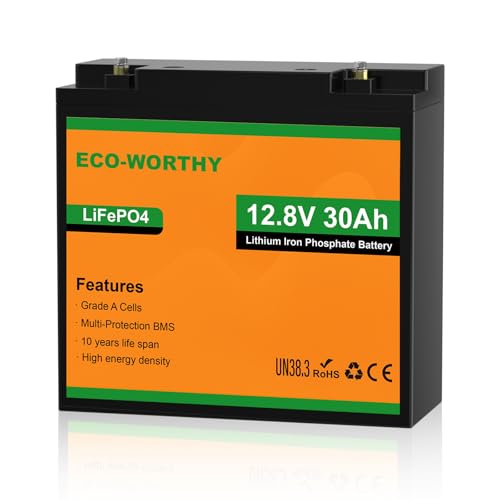
- Only 7.2 pounds for easy transport
- Built-in BMS with cell balancing
- Expandable in series or parallel
Best For: Small electronics like radios, lights, and fish finders
Cold-Weather Drop-In

- Group 24 fit for easy replacement
- Low-temp charging protection included
- Expandable up to 4S4P
Best For: Cold-weather RV and overland auxiliary power
Compact Trail Power
ECO-WORTHY 12V 20Ah LiFePO4 for Portable Gear

- 4.85 lb lightweight design
- Built-in BMS protection
- 3000+ deep-cycle claim
Best For: Portable fish finders, ham radio, and light 12V gear
High-Capacity Rig Power
HumsiENK 12V 320Ah Bluetooth LiFePO4

- 4096Wh single-battery capacity
- 250A BMS with Bluetooth app
- 32°F low-temp charging cut-off
Best For: High-demand RV, marine, and overland systems
Portable Camp Monitor
Upgraded 12V 22Ah LiFePO4 with LCD
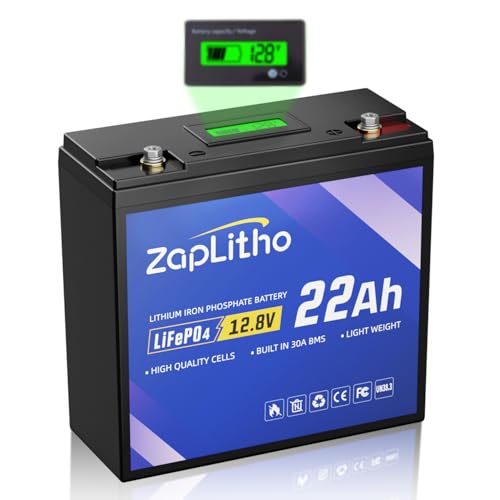
- 5.5 lb portable design
- LCD voltage display
- 30A BMS protection
Best For: Portable camping, fish finder, and ham radio setups
Compact Cold-Weather Power
Dyness 12V 100Ah LiFePO4 2-Pack

- Compact Group 31 size with lighter weight
- Low-temp charging protection for cold use
- 100A BMS and 4S4P expansion support
Best For: Overlanders needing a compact lithium bank for cold-weather charging and scalable power
Small-Load Utility Pick

- Compact 12V 20Ah rechargeable LiFePO4
- Built-in BMS for battery protection
- Good for fish finders, camping, and backup use
Best For: Small electronics loads and portable overland accessories
High-Capacity Trail Bank

- 150Ah / 1920Wh capacity for longer runtime
- 100A BMS and low-temp protection included
- Compact 22.05 lb design with 4S4P expansion
Best For: Larger overland setups that need extended runtime and scalable lithium storage
Ultra-High Capacity Pick – 12V 314Ah LiFePO4 Battery for RV and Solar
If you need a battery for overland electronics that can support big loads for long stretches, this 12V 314Ah LiFePO4 model is built around capacity and durability. It offers high energy density in a package that’s far lighter than lead-acid, plus a 200A BMS and IP65 protection for rugged outdoor use.
Best For: Large RV, marine, solar, and off-grid overland power systems that need maximum storage.
Pros:
- Huge 314Ah capacity for extended power reserve
- 200A BMS adds overcharge, over-discharge, overcurrent, short-circuit, and temperature protection
- IP65 waterproof rating suits harsh outdoor and marine environments
- Long cycle life, with claims exceeding 6000 cycles to 80% depth of discharge
Cons:
- Not suitable for starting gasoline engines
- Large and heavy at 57.3 pounds compared with smaller drop-in batteries
- May be more capacity than needed for simple electronics-only setups
This is a strong choice when your overland setup needs serious stored energy rather than a compact auxiliary battery. Its real value is in long runtime, protection features, and weather-resistant construction.
Fast-Charge Bundle – 12V 100Ah LiFePO4 with Charger
For a battery for overland electronics that’s ready to use out of the box, this LiTime 12V 100Ah LiFePO4 package includes a dedicated 14.6V 20A charger. The combination is practical for users who want a reliable drop-in style battery with quicker charging and a built-in BMS for everyday mobile power.
Best For: Overlanders who want a 100Ah battery plus matching charger for RV, marine, and solar use.
Pros:
- Includes a dedicated 14.6V 20A LiFePO4 charger
- Built-in BMS protects against overcharge, over-discharge, overcurrent, and short circuits
- Lightweight at 25.35 pounds for easier handling and install
- IP65 waterproof design and wide operating temperature range
Cons:
- 100Ah capacity may be limiting for larger multi-device camps
- Charger adds to the overall kit cost and footprint
- Best suited to lithium-specific charging rather than generic chargers
This is a convenient option if you want a matched battery-and-charger setup instead of sourcing parts separately. It balances portability, protection, and simple ownership well for overland electrical systems.
Compact Utility Pick – 12V 30Ah LiFePO4 for Small Electronics
If your battery for overland electronics only needs to support small loads like radios or fish finders, this ECO-WORTHY 12V 30Ah LiFePO4 is a compact, lightweight option. It’s designed as a replacement for 12V 35Ah SLA batteries and focuses on portability, protection, and simple expansion.
Best For: Ham radios, fish finders, lights, and other small auxiliary overland devices.
Pros:
- Very light at 7.2 pounds, making it easy to move and mount
- Built-in BMS provides overcharge, over-discharge, overcurrent, short-circuit, and cell balancing protection
- Supports both series and parallel expansion for flexible setups
- Good fit as a replacement for 12V 35Ah SLA batteries
Cons:
- 30Ah capacity is modest for larger camps or inverter use
- Not intended for motorcycle starter batteries
- Warranty is shorter than some larger lithium alternatives
This is a sensible pick when you want a smaller, simpler lithium battery for low-power gear. It gives overland users a compact way to run essential electronics without carrying unnecessary weight.
Cold-Weather Drop-In – 12V 100Ah Group 24 LiFePO4
For buyers looking for a battery for overland electronics that fits a standard Group 24 footprint, this SUPER EMPOWER 12V 100Ah LiFePO4 is built as a drop-in replacement for lead-acid, AGM, or SLA batteries. It adds low-temperature protection, strong cycle life, and a compact form factor that works well in RV, marine, and solar auxiliary power setups.
Best For: Cold-weather overland power systems that need a Group 24 fit and lithium protection.
Pros:
- BCI Group 24 size makes it easier to fit standard battery boxes
- Low-temperature charging protection helps in cold conditions
- Built-in BMS manages charge, discharge, overcurrent, short circuit, and temperature extremes
- Expandable up to 4S4P for larger energy systems
Cons:
- Not suitable for engine starting or cranking applications
- Charging pauses below 32°F, which may limit winter charging workflows
- Non-lithium chargers are not recommended
This model stands out if fitment matters as much as performance. The Group 24 case size and low-temp safeguards make it a practical overland battery for compact installs and colder trips.
Compact Trail Power – ECO-WORTHY 12V 20Ah LiFePO4 for Portable Gear
If you need a compact battery for overland electronics, this ECO-WORTHY 12V 20Ah LiFePO4 is built for lightweight portable power rather than high-draw systems. It fits well for fish finders, ham radios, LED lighting, and other 12V accessories where easy transport and long cycle life matter more than raw capacity.
Best For: Compact, lightweight power for fish finders, ham radio setups, and small 12V camping or backup gear.
Pros:
- Very light at 4.85 pounds, making it easy to carry and position outdoors
- Built-in BMS helps protect against overcharge, over-discharge, and short-circuit issues
- Claims 3000+ deep cycles and supports both series and parallel expansion
- Works for fish finders, ham radio, solar, lights, and similar 12V equipment
Cons:
- 20Ah capacity is better for smaller electronics than larger overland loads
- Not intended for motorcycle starter use
- Requires matching batteries for series/parallel expansion
For buyers comparing a battery for overland electronics, this model makes sense when portability and longevity are the priority. It is a practical small-format LiFePO4 option for day trips, portable stations, and light-duty off-grid setups.
High-Capacity Rig Power – HumsiENK 12V 320Ah Bluetooth LiFePO4
For a battery for overland electronics that can handle serious energy demand, this HumsiENK 12V 320Ah LiFePO4 is aimed at full-size RV, marine, and off-grid systems. Its 4096Wh capacity, 250A BMS, and Bluetooth monitoring make it a strong fit when you want one large battery instead of building a smaller bank.
Best For: Large RV, marine, and overland power systems that need high capacity, app monitoring, and strong output.
Pros:
- Huge 4096Wh capacity in a single 12V battery
- 250A BMS supports up to 3200W continuous output
- Bluetooth app shows SOC, voltage, current, and cell temperature
- Low-temperature cut-off helps protect charging below 32°F
Cons:
- At 58.7 pounds, it is still substantial to move and mount
- High capacity may be more than small portable setups need
- Larger size requires space planning in battery compartments
This battery stands out when your overland build needs real reserve power and easier monitoring. It is especially appealing if you want to simplify wiring and support larger loads from a single lithium source.
Portable Camp Monitor – Upgraded 12V 22Ah LiFePO4 with LCD
This upgraded 12V 22Ah LiFePO4 is a practical battery for overland electronics when you want a compact pack with a built-in voltage display. It is sized for portable field use, and the LCD plus 30A BMS make it easy to keep tabs on power while running fish finders, ham radio gear, lights, or camping accessories.
Best For: Portable overland and camping power where an LCD readout and compact size are useful.
Pros:
- Compact 5.5-pound design is easy to carry and fit into tight spaces
- LCD voltage display adds quick at-a-glance monitoring
- Built-in BMS protects against overcharge, over-discharge, over-current, and short-circuit scenarios
- Claims 4000+ cycles and supports expandable series/parallel configurations
Cons:
- 22Ah capacity is best for smaller electronics and light loads
- Must use a LiFePO4 charger rather than a lead-acid charger
- Not intended as a starter battery for ATVs, cars, or motorcycles
Among compact lithium options, this one offers a useful blend of portability and visibility thanks to the LCD display. It is a smart choice if you want a lightweight field battery with simple status checking and solid protection features.
Compact Cold-Weather Power – Dyness 12V 100Ah LiFePO4 2-Pack
If you need a battery for overland electronics that stays compact, light, and dependable in changing conditions, this Dyness 12V 100Ah LiFePO4 2-pack is built for that job. It offers strong capacity in a Group 31 footprint, plus low-temp charging protection and a 100A BMS for protected use in RV, marine, solar, and off-grid setups.
Best For: Overlanders and RV users who want a lightweight LiFePO4 bank with cold-weather charging protection.
Pros:
- Two 12V 100Ah batteries with a compact Group 31 size and lighter weight than lead-acid
- Low-temperature charging protection helps prevent damage in cold conditions
- Built-in 100A BMS adds protection against overcharge, over-discharge, overcurrent, overheating, and short circuits
- Series/parallel support lets you build larger power banks as needs grow
Cons:
- Best charging results require a LiFePO4-specific charger
- Premium lithium setup may be more than a simple starter battery replacement
Overall, this is a practical pick if your overland electronics need a space-saving lithium battery with strong safety features and winter-minded charging protection. The 2-pack format also makes it easier to scale into a larger system later.
Small-Load Utility Pick – 12V 20Ah LiFePO4 Battery
This 12V 20Ah LiFePO4 battery is a simple, compact option when your battery for overland electronics only needs to support smaller loads. According to the supplied notes, it fits a range of uses including fish finders, camping gear, RVs, boats, scooters, toy cars, solar/off-grid power, and backup power.
Best For: Smaller overland electronics, portable gear, and light-duty backup power.
Pros:
- Compact 12V 20Ah lithium format for lower-demand setups
- Built-in BMS adds basic battery protection
- Listed for many scenarios, including fish finders, camping, RV, marine, and solar
- Rechargeable LiFePO4 design with deep-cycle use in mind
Cons:
- 20Ah capacity is limited for larger power systems
- No detailed expansion, temperature, or waterproofing specs were provided in the notes
For modest electronics loads, this battery keeps things straightforward and portable. It is best viewed as a practical utility battery rather than a high-capacity house bank.
High-Capacity Trail Bank – DUMFUME 12V 150Ah LiFePO4
When your battery for overland electronics needs longer runtime, this DUMFUME 12V 150Ah LiFePO4 battery brings a larger 1920Wh energy reserve in a compact Group 31 style case. The notes also call out a 100A BMS, low-temp protection, and support for series/parallel expansion, making it a strong fit for more demanding RV, solar, marine, camping, and off-grid setups.
Best For: High-capacity overland power systems that need long runtime and easy expansion.
Pros:
- Large 150Ah / 1920Wh capacity for extended use between charges
- Built-in 100A BMS helps protect against overcharge, over-discharge, short circuit, and overheating
- Compact and lightweight for its capacity at 22.05 lbs
- Supports up to 4S4P series/parallel configurations for scaling
Cons:
- Not designed for engine starting
- Notes say battery performance requires temperatures of 5°C or higher
- Storage requires periodic maintenance every 6 months
If runtime matters more than minimal footprint, this 150Ah option stands out as the most capable power bank in the group. It is a sensible pick for building a larger overland electrical system with room to grow.
How We Picked the Best Battery for Overland Electronics
We prioritized batteries that fit common overland power needs: dependable 12V output, usable capacity, built-in BMS protection, and a chemistry suited to frequent cycling. We also looked at features that matter in the field, including low-temp cut-off, Bluetooth monitoring, and size options that work in vehicles, trailers, and auxiliary power boxes.
Quick Comparison
For compact loads like radios, GPS units, and fish finders, smaller-capacity batteries can be a smart fit. For fridge/freezer duty, lighting, and charging stations, 100Ah-class models are a common sweet spot. Larger 150Ah to 320Ah batteries are better for extended trips, heavy accessory use, or users who want fewer recharge cycles.
Key Buying Factors for a Battery for Overland Electronics
Capacity and Runtime
Match amp-hours to your daily draw and charging setup. A larger battery increases runtime, but it also takes more space and may require a stronger charging source from solar, alternator, or shore power.
BMS and Protection Features
A good battery management system helps guard against overcharge, overdischarge, short circuits, and excessive current. For overland use, low-temperature protection is especially valuable if you travel in cold climates.
Weight and Form Factor
Vehicle payload matters. Compact batteries are easier to mount in storage boxes and tight compartments, while larger packs can simplify system design if you have room for them. Check BCI sizing and physical dimensions before ordering.
Monitoring and Convenience
Bluetooth, LCD readouts, and clear status indicators can make setup and troubleshooting much easier. These features are not mandatory, but they are useful when you want quick visibility into state of charge and battery health.
Charging Compatibility
Make sure your charger, solar controller, and alternator charging system are compatible with LiFePO4 voltage requirements. A quality Battery for Overland Electronics should integrate cleanly with the rest of your power system.
Who Should Buy Which Battery for Overland Electronics?
Buy a compact 20Ah to 30Ah battery if you mainly power small electronics or need a lightweight auxiliary source. Choose a 100Ah model for most overland builds that run lights, communications, and moderate accessory loads. Step up to 150Ah or more if you use a 12V fridge, work longer off-grid, or want extra reserve for cloudy weather and high-demand trips.
If you want the most flexibility, look for larger LiFePO4 batteries with strong BMS ratings and cold-weather protection. If your setup is simple, a smaller, lighter pack may be the better value and much easier to install.
