
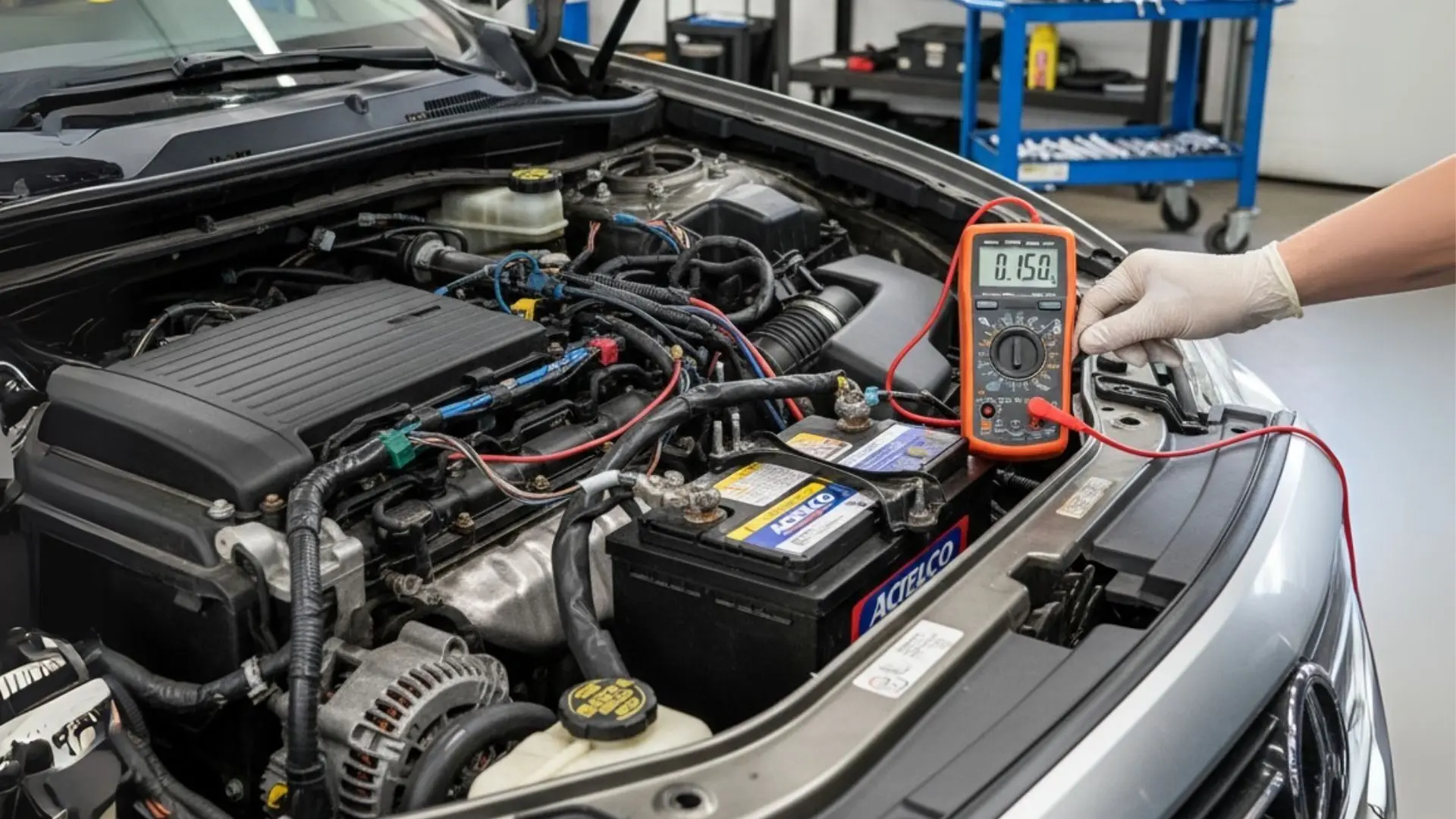
If your vehicle runs big electrical loads, a stock battery often becomes the weak link. Higher cranking output, deeper reserve capacity, and stable voltage matter more when you have powerful audio gear, performance upgrades, or frequent accessory use.
This roundup focuses on batteries built for stronger demand, including lithium options and a few proven high-output alternatives that buyers often compare side by side for real-world power needs.
Best 5 Lithium Car Batteries for High Power Demand Picks for 2026
Best for High CCA Starts
GROUP 94R LiFePO4 12.8V 80Ah 1800CCA Car Battery
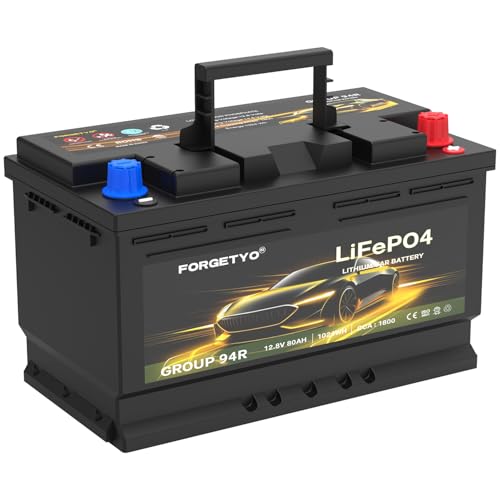
- 1800CCA output for strong starts
- LiFePO4 cells with built-in BMS protection
- Lightweight 94R battery for start/stop vehicles
Best For: Drivers needing strong cold-cranking power and support for electronics-heavy vehicles in Group 94R size.
Best for Competition Audio Builds
XS Power D3400 AGM High Output Battery

- Up to 3,300-amp high-output performance
- Sealed AGM design mounts in nearly any position
- Strong choice for racing and high-draw audio systems
Best For: High-power car audio systems and performance vehicles that need durable, high-current AGM output.
Best for Start-Stop Systems
PX Group 47 H5 LiFePO4 Car Battery

- 600CCA with start/stop support
- Built-in BMS safety protection
- Lightweight Group 47/H5 replacement
Best For: Drivers with Group 47/H5 vehicles needing a lighter lithium battery for start/stop use and higher electronic loads.
Best for High CCA Starts – GROUP 94R LiFePO4 12.8V 80Ah 1800CCA Car Battery
If you need one of the stronger lithium car batteries for high power demand, this GROUP 94R LiFePO4 model stands out with an 1800CCA rating, 80Ah capacity, and built-in BMS protection. It is designed for vehicles with start/stop systems and heavier electrical loads, while also cutting weight compared with many traditional lead-acid options.
Best For: Drivers who want strong cold-start performance and extra support for modern vehicle electronics in a Group 94R fitment.
Pros:
- High 1800CCA output for strong starting power in demanding conditions
- LiFePO4 chemistry with BMS adds safety and multiple protection features
- Lighter than many lead-acid batteries at about 20.5 lb
- Longer claimed service life and cycle count than conventional lead-acid batteries
Cons:
- Fitment is limited to vehicles that accept Group 94R dimensions
- Brand compatibility details are somewhat narrow in the listing
- Upfront cost is typically higher than standard lead-acid alternatives
Overall, this battery makes sense for buyers prioritizing starting strength, lighter weight, and longer cycle life. Among lithium car batteries for high power demand, it is a compelling pick if your vehicle matches the 94R size and you want a lithium upgrade aimed at high-output automotive use.
Best for Competition Audio Builds – XS Power D3400 AGM High Output Battery
XS Power D3400 XS Series 12V 3,300 Amp AGM High Output Battery with M6 Terminal Bolt
Check Price On AmazonThe XS Power D3400 is a strong fit for buyers comparing lithium car batteries for high power demand but who want the proven durability and installation flexibility of a high-output AGM design. With 3,300 amps, 1,000 CA, and 65Ah capacity, it is built to support serious electrical loads in performance vehicles and competition-grade audio systems.
Best For: High-draw car audio setups, racing applications, and custom builds that need a sealed battery with strong burst output and vibration resistance.
Pros:
- High-output 12V AGM battery rated up to 3,300 amps for demanding accessories and power systems
- Sealed, spill-proof, valve-regulated construction helps with safety and flexible mounting positions
- Ultra-low internal resistance supports strong current delivery for competition audio and performance use
Cons:
- AGM design is heavier than many lithium alternatives
- Premium performance focus may be more battery than casual daily drivers need
If your priority is brute electrical support rather than weight savings, the D3400 stands out as a practical alternative to lithium car batteries for high power demand. Its racing and car-audio pedigree makes it especially appealing for builds where stability, vibration resistance, and sustained output matter more than going fully lithium.
Best for 8,000W Car Audio Builds – Limitless Lithium NoLi Sodium 30AH Battery
The Limitless Lithium NoLi Sodium 30AH is built for serious system output, making it a strong option if you are comparing lithium car batteries for high power demand in custom car audio setups. With support for up to 8,000W at 16V, strong burst amperage, and a compact Group 30 footprint, it targets users who need substantial current delivery without stepping up to a much larger battery bank.
Best For: Car audio enthusiasts running high-output 14.6V or 16V systems who want a compact battery for demanding amplifier loads up to roughly 8,000W RMS in the right setup.
Pros:
- Rated for 6,000W-8,000W RMS at 16V with up to 10,000W burst capability.
- High output in a compact 9.9 lb Group 30 size, helpful for tight installs.
- Strong current delivery with up to 450A RMS for 30 seconds and 600A burst at 16V.
Cons:
- No built-in BMS, which may be a drawback for buyers wanting more integrated protection.
- Best performance depends on a properly matched charging system and voltage strategy.
If your priority is squeezing big amplifier power from a small footprint, this battery has a very specific performance niche. Among lithium car batteries for high power demand, it stands out most for dedicated car audio users who understand charging requirements and want high-voltage capability from a compact case.
Best for Start-Stop Systems – PX Group 47 H5 LiFePO4 Car Battery
If you need one of the better lithium car batteries for high power demand in a compact Group 47/H5 footprint, this PX 12V LiFePO4 model is aimed at modern vehicles with heavier electronic loads. It combines 600CCA starting power, built-in BMS protection, and support for start/stop operation, making it a practical upgrade path for drivers replacing a conventional lead-acid battery.
Best For: Drivers with Group 47/H5 vehicles who want a lighter lithium replacement that can handle start/stop systems and demanding onboard electronics.
Pros:
- 600CCA output with strong cold-start capability for daily driving in varied weather.
- LiFePO4 chemistry and integrated BMS add overcharge, over-discharge, and overcurrent protection.
- Lightweight design compared with lead-acid alternatives, which helps make installation easier.
Cons:
- You need to verify Group 47/H5 fitment, dimensions, and terminal layout before buying.
- Product listing provides limited detail on reserve capacity and long-term cycle-life specs.
Overall, this PX battery makes sense for buyers who want lithium car batteries for high power demand without moving to a larger case size. Its appeal is strongest for start/stop-equipped vehicles that need reliable cranking power, modern battery protections, and a lighter replacement format.
Best for Compact 5000W Systems – XS Power PWR-S5 Lithium Racing Battery
The XS Power PWR-S5 is a niche but compelling option for shoppers comparing lithium car batteries for high power demand. Its LTO chemistry, compact footprint, and strong output figures make it especially attractive for performance builds, car audio setups, and accessory-heavy vehicles that need fast cranking power without the bulk of a traditional AGM battery.
Best For: Compact performance or car audio builds that need high burst power, lightweight packaging, and deep-cycle capability for accessories.
Pros:
- LTO chemistry offers long cycle life and better durability than many conventional AGM options.
- Strong output for its size, with up to 2000 max amps and 1000 cranking amps in an 8-pound package.
- Compact dimensions make it easier to fit into tight engine bays, race setups, or custom audio installs.
Cons:
- 10Ah capacity is relatively small for buyers needing extended reserve power.
- More specialized than a general-purpose daily-driver replacement battery.
If your priority is high burst output in a very small, lightweight case, this model stands out well among lithium car batteries for high power demand. It makes the most sense when space savings, quick starting, and support for power-hungry electronics matter more than having a large reserve capacity.
How We Picked the Best Lithium Car Batteries for High Power Demand
We focused on the specs that matter most when shopping for Lithium Car Batteries for High Power Demand: starting power, usable capacity, voltage stability under load, fitment, terminal layout, charging compatibility, and intended use. We also looked at whether each battery is better suited to daily driving, car audio systems, racing, or compact vehicles with limited battery tray space.
Because shoppers in this category often compare lithium against premium AGM models, we considered high-output alternatives where they are relevant to the same use case. That gives a more practical picture of value and performance instead of looking at chemistry alone.
Quick Comparison
Best for Maximum Cranking Power
Choose the largest high-CCA lithium option if cold starts, large engines, or heavy accessory loads are your top priority.
Best for Car Audio Builds
A battery designed around sustained voltage support and high-current discharge is usually the better fit for powerful amplifiers and systems that draw hard at idle.
Best for Racing and Weight Savings
Compact lithium performance batteries work best when reducing weight and delivering fast bursts of starting power matter more than long reserve capacity.
Best for Daily Driver Fitment
If you need closer-to-OEM sizing, focus on group size, terminal position, and charging-system compatibility before chasing the highest advertised output.
Key Buying Factors for Lithium Car Batteries for High Power Demand
1. Starting Power Vs. Capacity
High CCA or peak amp numbers help with engine starting, but they do not tell the whole story. For vehicles with strong accessory demand, amp-hours and watt-hours are just as important because they affect how long the battery can support loads without major voltage drop.
2. Battery Chemistry
Most buyers looking at Lithium Car Batteries for High Power Demand will see LiFePO4 first because it offers low weight, stable output, and good cycle life. Some specialty models use LTO or sodium-based designs aimed at racing or extreme audio use. Each chemistry has different charging behavior, cold-weather performance, and cost.
3. Vehicle Charging Compatibility
This is one of the biggest checkpoints. Make sure your alternator voltage range and vehicle charging strategy match the battery requirements. Some modern start-stop vehicles and smart charging systems need batteries specifically designed for that environment.
4. Physical Fit and Terminal Layout
Always confirm group size, height, hold-down compatibility, and terminal orientation. A powerful battery that does not fit securely in the tray or forces awkward cable routing is the wrong buy.
5. Intended Use
Daily drivers, competition audio vehicles, and race cars need different things. A lightweight racing battery may be excellent for short, high-power bursts but less ideal for long accessory runtime. A larger capacity battery may be better for street vehicles with winches, lighting, or audio systems.
Who Should Buy Which Lithium Car Batteries for High Power Demand?
For Daily Drivers with Added Electrical Load
Look for a properly sized LiFePO4 battery with solid cranking power, reasonable reserve capacity, and clear compatibility with your vehicle’s charging system.
For High-Power Car Audio Systems
Prioritize voltage stability, discharge capability, and system-matching over simple CCA claims. Buyers running large amplifiers should also think about the full electrical system, including alternator output and wiring upgrades.
For Performance and Racing Builds
A lightweight lithium or LTO-style battery makes the most sense when reducing mass and delivering strong starting bursts are the main goals. Just be realistic about reserve capacity for street use.
For Compact or OEM-Style Replacements
Stick with the correct group size first, then compare output and features within that footprint. This is usually the safest choice for a daily-driven vehicle that still needs better-than-stock electrical support.
The best choice comes down to how your vehicle actually uses power. If you need reliable starts and better all-around support, choose a balanced battery with the right fitment and capacity. If your build is centered on racing or extreme audio, choose a battery designed specifically for that demand rather than a general replacement model.